Rubber Roof Installation in Fredericksburg, VA
Rubber roof installation services involve the process of fitting a flexible, durable membrane made from synthetic rubber, commonly known as EPDM (ethylene propylene diene monomer), onto residential or commercial rooftops. This type of roofing is often chosen for flat or low-slope roofs due to its weather resistance and longevity. Projects can range from replacing existing rubber roofing to installing new rubber membranes on new constructions or additions. Homeowners typically want to understand the suitability of rubber roofing for their property, the installation process, and how it can enhance the durability and energy efficiency of their roof.
Before requesting rubber roof installation, property owners usually seek information about the lifespan of the material, maintenance requirements, and compatibility with their building's structure. It’s also important to consider the scope of the project, such as whether existing roofing needs removal or if the new membrane can be installed over existing layers. Clarifying these details helps ensure the chosen roofing solution aligns with the property's needs and provides a reliable, long-lasting cover.
Many property owners in Fredericksburg, VA look into Rubber Roof Installation for repairs, replacements, upgrades, and appearance-related improvements.
Benefits Of Rubber Roofs
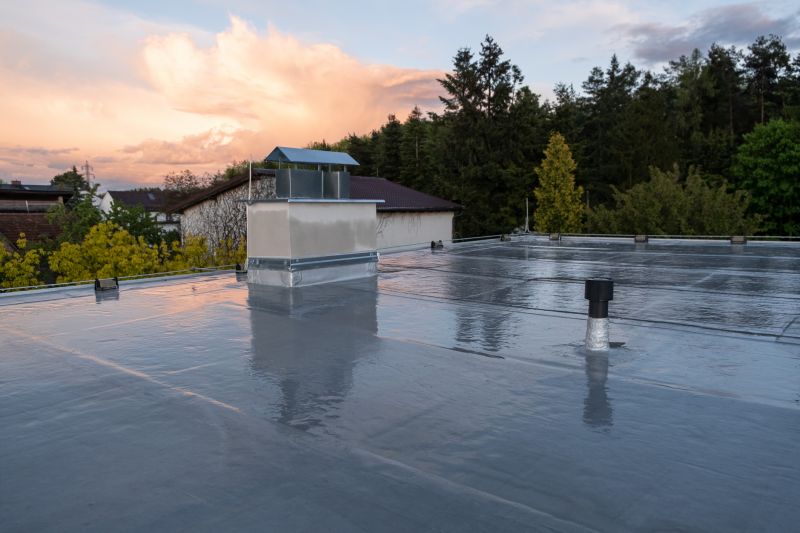
Rubber roofing provides durability and flexibility for residential and commercial properties in fredericksburg, va.
Common Rubber Roof Projects
Many property owners choose rubber roofing for flat roofs, extensions, and replacement projects in the fredericksburg area.
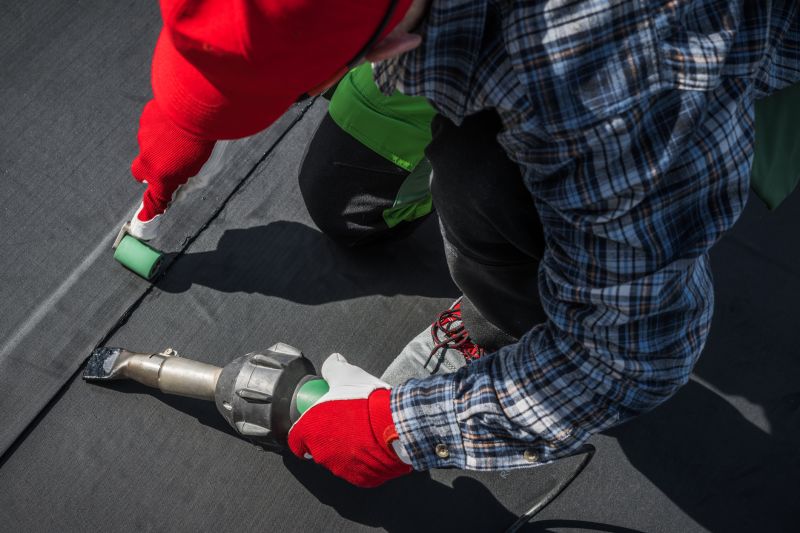
Maintenance & Care Tips
Regular inspections and cleaning help extend the lifespan of rubber roofing systems on homes and businesses.
Rubber Roof Installation in Fredericksburg, VA
Rubber roof installation services involve the process of fitting a flexible, durable membrane made from synthetic rubber, commonly known as EPDM (ethylene propylene diene monomer), onto residential or commercial rooftops. This type of roofing is often chosen for flat or low-slope roofs due to its weather resistance and longevity. Projects can range from replacing existing rubber roofing to installing new rubber membranes on new constructions or additions. Homeowners typically want to understand the suitability of rubber roofing for their property, the installation process, and how it can enhance the durability and energy efficiency of their roof.
Before requesting rubber roof installation, property owners usually seek information about the lifespan of the material, maintenance requirements, and compatibility with their building's structure. It’s also important to consider the scope of the project, such as whether existing roofing needs removal or if the new membrane can be installed over existing layers. Clarifying these details helps ensure the chosen roofing solution aligns with the property's needs and provides a reliable, long-lasting cover.
Many property owners in Fredericksburg, VA look into Rubber Roof Installation for repairs, replacements, upgrades, and appearance-related improvements.
Common Rubber Roof Installation Jobs
Rubber roof installation involves replacing or installing a durable, flexible membrane that provides long-lasting protection.
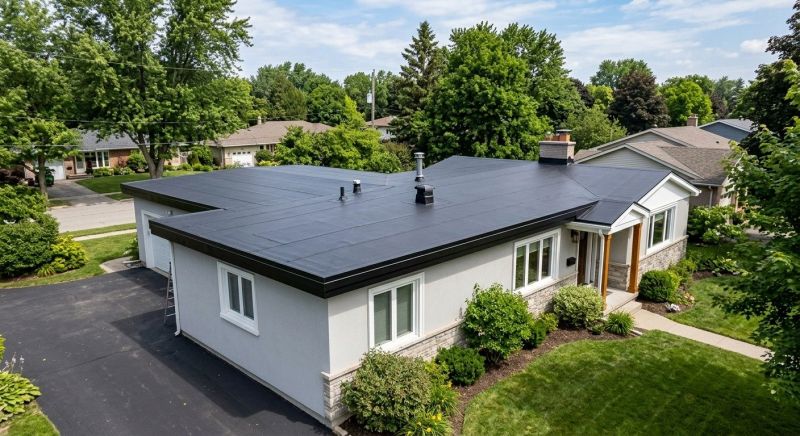
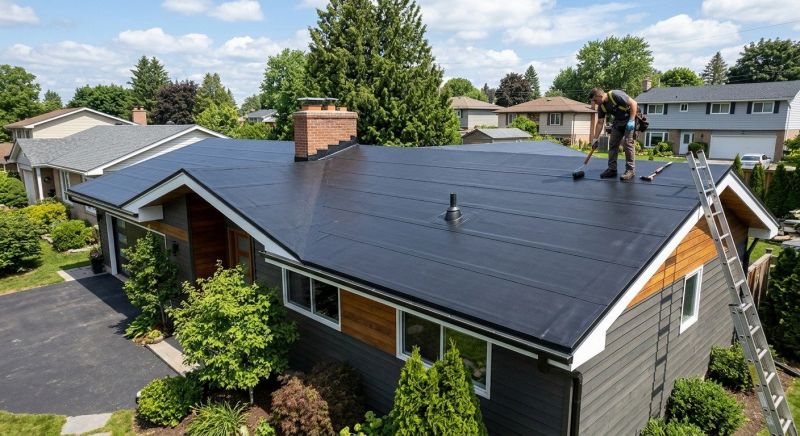
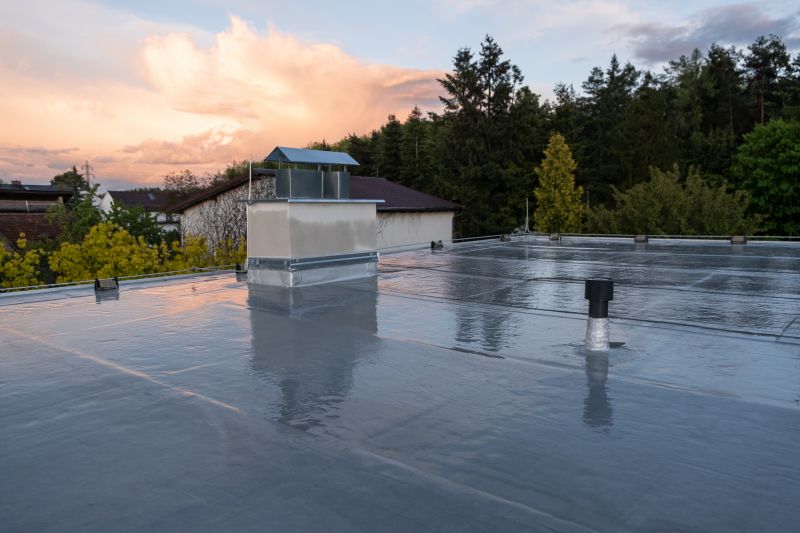
Residential rubber roofing is suitable for homes with flat or low-slope roofs, offering a seamless waterproof barrier.
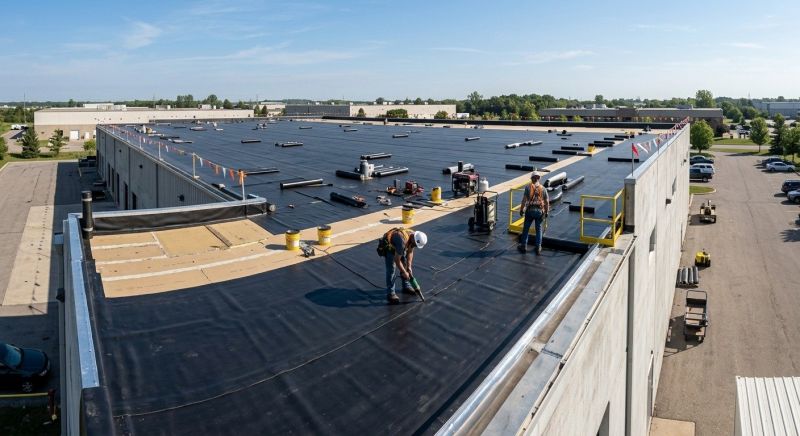
Commercial rubber roofing is often used on large flat rooftops for its resilience and ease of maintenance.
Roof replacement projects include removing old roofing materials and installing a new rubber membrane to enhance durability.
New construction rubber roofing is installed during building projects to create a weatherproof roof from the start.
Roof upgrade services can improve existing roofs with rubber membrane overlays for added protection and longevity.
Rubber Roof Installation Questions
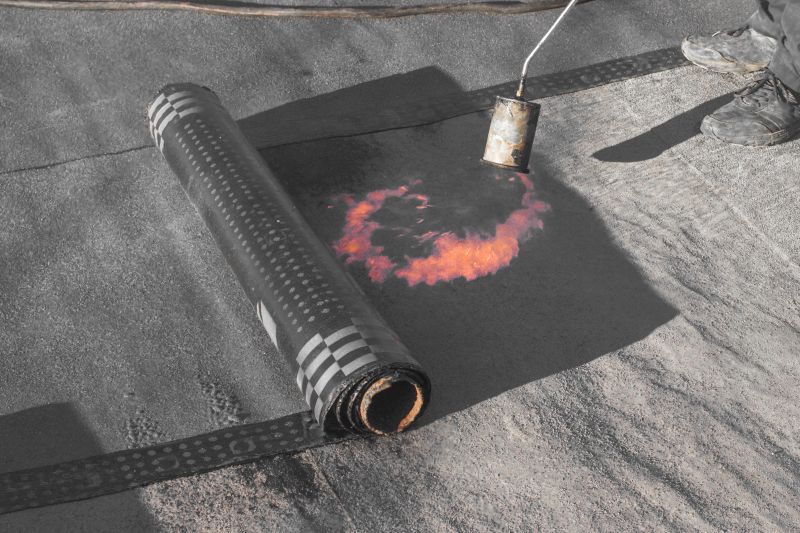
What is a rubber roof? A rubber roof is a type of roofing made from durable synthetic materials, often used for flat or low-slope roofs on residential and commercial buildings.
How long does a rubber roof installation typically last? Rubber roofs generally have a lifespan of 20 to 30 years with proper installation and maintenance.
What types of properties commonly have rubber roof installations? Rubber roofing is frequently installed on commercial buildings, garages, sheds, and flat or low-slope residential roofs.
Is rubber roofing suitable for all climates? Rubber roofs perform well in various climates, providing good weather resistance and flexibility in temperature changes.
Request Rubber Roof Installation in Fredericksburg, VA
Use the quote form on this page to share the basics of your project and request more information for the type of work you need.